Cryotherapy Myths Debunked: Separating Fact From Fiction
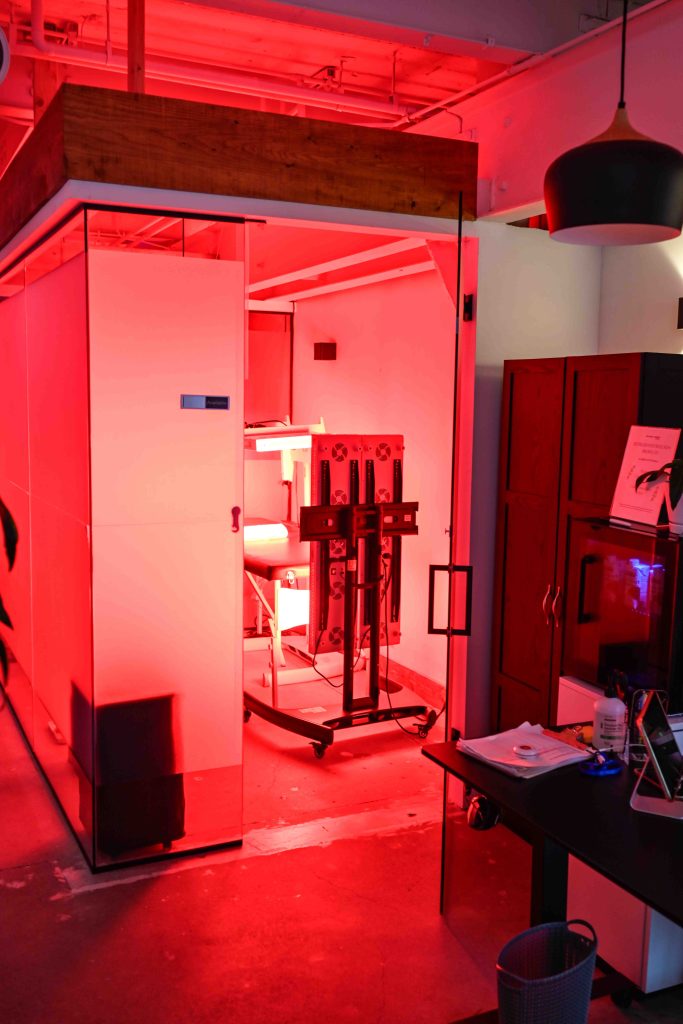
Cryotherapy sits in that interesting corner of wellness where medicine, sports recovery, beauty marketing, and social media all collide. One person swears by it after a hard training block. Another dismisses it as expensive cold air dressed up as science. A third has seen photos of elite athletes stepping into futuristic chambers and assumes it must be a miracle treatment.
That mix of curiosity and hype is exactly why confusion persists.
The word itself sounds broad because it is broad. Cryotherapy simply refers to therapeutic use of cold. That can mean an ice pack on a sprained ankle, a dermatologist freezing off a wart with liquid nitrogen, a physician using targeted cryoablation for certain medical conditions, or a person spending two or three minutes in a whole-body cryotherapy chamber. These are not interchangeable practices, and many myths begin when people blur them together.
I have seen this repeatedly in conversations with trainers, clinic owners, patients, and people who are simply trying to recover from sore legs after a long week. The assumptions tend to fall into predictable patterns. Some people expect cryotherapy to solve everything from inflammation to aging. Others assume it is dangerous nonsense. The truth, as usual, lives in the less dramatic middle.
If you are considering cryotherapy, or if you are trying to sort out what it can and cannot reasonably do, it helps to separate the clinical uses from the commercial ones, the proven effects from the possible ones, and the short-term sensations from the long-term outcomes.
The first thing to understand, cryotherapy is not one treatment
A great deal of bad information comes from using one word for very different interventions.
Localized cryotherapy is the cold treatment most people know best. It includes ice packs, cold compresses, and devices used to cool one specific area. This is common after acute injuries, though even here the old habits around icing everything immediately have become more nuanced.
Medical cryotherapy includes physician-supervised uses such as removing skin lesions with liquid nitrogen. That has an established role in practice and should not be confused with a spa service.
Whole-body cryotherapy is what most modern myths are about. A person enters a chamber or stands in a cryosauna for a brief exposure to very cold air, often somewhere around minus 110°C to minus 140°C in some commercial settings, though the exact temperature and delivery method vary. Sessions are short, usually two to four minutes.
That difference matters. Evidence for one use does not automatically transfer to the others. A proven dermatology procedure tells you nothing about whether a cryotherapy chamber will improve sleep, shrink belly fat, or boost immunity.
Myth: Cryotherapy is a proven cure for inflammation
This is probably the most common overstatement.
Cold can reduce pain perception and may temporarily reduce swelling or blunt some inflammatory responses in certain contexts. That is not the same as saying cryotherapy cures inflammation as a broad biological problem. Inflammation itself is not one simple thing. Acute inflammation after an injury is different from chronic low-grade inflammation associated with obesity, autoimmune disease, or metabolic dysfunction. The body needs some inflammatory signaling for repair and adaptation.
This distinction matters especially for athletes. If someone does a punishing training session and steps into a cryotherapy chamber because their legs feel less heavy afterward, that is a real and understandable experience. The cold can affect pain, sensation, and subjective recovery. But feeling better the next day does not necessarily mean tissue healed faster or that the session improved long-term adaptation to training.
In fact, there is an ongoing discussion in sports science about whether frequent aggressive cold exposure immediately after strength training might reduce some of the signaling involved in muscle growth and adaptation. The evidence is not simple and depends on timing, training goal, and the type of cold exposure, but it is enough to reject the simplistic claim that more cold always means better recovery.
For a recreational exerciser dealing with soreness before a tournament weekend, cryotherapy might help them feel more comfortable. For someone trying to maximize long-term hypertrophy, repeated post-lifting cold exposure may be less appealing. Those are different goals, and they deserve different recommendations.
Myth: If it feels extreme, it must be more effective
Cryotherapy marketing often leans on drama. Colder temperatures, clouds of vapor, and the sheer novelty of a chamber create a sense that something powerful must be happening. People naturally equate intensity with efficacy.
That is a mistake.
The therapeutic value of cold is not a contest. The body responds to exposure duration, the method used, the tissue involved, the individual’s health status, and the reason for treatment. A treatment that is uncomfortably cold is not automatically better than one that is simply cold enough to achieve a specific effect.
This is especially relevant when comparing whole-body cryotherapy to more traditional cold-water immersion. Cold-water immersion has a larger body of research behind it for certain recovery-related outcomes, such as reducing perceived muscle soreness in some settings. Whole-body cryotherapy has attracted interest and there are studies suggesting short-term benefits for soreness and perceived recovery, but the evidence base is smaller and less consistent. It is not fair to say one is universally superior in all cases.
Commercial language often skips over that uncertainty. You will hear phrases that imply chambers are more advanced, more penetrating, or more detoxifying than other forms of cold exposure. Those claims usually outrun the evidence.
Myth: Cryotherapy burns significant fat and causes lasting weight loss
This one persists because it sounds plausible. Cold exposure can increase energy expenditure. The body has to work to maintain temperature. There is scientific interest in cold-induced thermogenesis and brown fat activation. But from there, the marketing often takes a wild leap.
A brief cryotherapy session is not a meaningful weight-loss strategy by itself.
Yes, the body may expend some extra energy in response to intense cold. No, that does not translate into substantial fat loss from a few minutes in a chamber several times a week. Real weight change is driven by sustained energy balance, diet quality, physical activity, sleep, medication effects, health conditions, and behavior over time.
A clinic may advertise that one session burns hundreds of calories. Those numbers should be treated cautiously. Exact estimates vary, and they are often presented without context. Even if energy expenditure rises during or after exposure, that does not mean body composition will change in a measurable way unless the rest of someone’s lifestyle supports it.
People are often disappointed because the sales pitch frames cryotherapy as passive fat reduction. In practice, at best, cold exposure may play a very minor supporting role in a much larger picture. It is not a substitute for nutrition, movement, or medical care.
Myth: Cryotherapy flushes toxins out of the body
This claim shows up in wellness spaces because it sounds clean and scientific without actually saying much.
The body already has systems for https://tysonjyhc343.swiftnestly.com/posts/everything-you-need-to-know-before-your-first-cryotherapy-session processing and eliminating waste products, mainly the liver, kidneys, lungs, gastrointestinal tract, and skin to a lesser degree. Cryotherapy does not suddenly switch on a hidden detox pathway. There is no standard medical definition of the toxin load that a commercial cryotherapy chamber is supposedly removing, and clinics rarely specify what exactly is being flushed out.
What many people interpret as detox effects are usually more ordinary responses. They may feel alert after a session because of the cold stress. They may experience a mood lift. They may perceive less soreness. They may notice temporary skin flushing afterward. None of that proves detoxification.
When a therapy relies heavily on vague language rather than measurable outcomes, skepticism is warranted.
Myth: Cryotherapy is dangerous for everyone
This myth is the mirror image of the hype. It takes isolated stories or worst-case scenarios and turns them into a blanket judgment.
Cryotherapy is not risk free, but neither is it automatically hazardous for every healthy person. The real issue is appropriate screening, proper supervision, equipment quality, and understanding who should avoid it.
Short cold exposure can be tolerated by many people without incident when protocols are followed. At the same time, there are genuine concerns. People with certain cardiovascular conditions, uncontrolled high blood pressure, peripheral vascular disease, some respiratory issues, severe cold sensitivity, Raynaud’s phenomenon, cold urticaria, or nerve impairment may face greater risk. There are also practical hazards such as frostbite, burns from extreme cold, dizziness, and falls if facilities cut corners.
The most serious incidents that have reached public attention tend to involve improper use, lack of supervision, poor training, or using cryotherapy outside safe operating procedures. Those cases matter, but they should lead to better standards, not simplistic fear.
Anyone considering whole-body cryotherapy should be screened carefully. A reputable provider should ask about medical history, current symptoms, medications, pregnancy status when relevant, and prior adverse reactions to cold. If the interaction feels like a retail upsell rather than a health screening, that is worth noticing.
Myth: More sessions always mean better results
Wellness businesses thrive on packages. Ten sessions, twenty sessions, unlimited monthly sessions. That structure nudges people toward the idea that benefits rise steadily with frequency.
Sometimes they do not.
With cryotherapy, many reported effects are short term, such as feeling energized, less sore, or more comfortable after hard exercise. Those are not necessarily cumulative in the way people imagine. More exposure does not guarantee more benefit, and in some contexts it may be unnecessary or even counterproductive.
Think of a distance runner in a heavy competition week. A few strategically timed sessions might help with comfort and readiness. Now think of a person who is barely sleeping, under-eating, overtraining, and relying on daily cryotherapy to push through mounting fatigue. The cold may mask symptoms without addressing the actual problem.
That pattern is common in recovery culture. A useful tool becomes a crutch. It helps people feel just well enough to ignore the training load, the stress, or the injury that needs attention.
Cryotherapy can be part of a smart plan. It should not become a substitute for judgment.
Where cryotherapy does seem genuinely useful
Debunking myths does not require pretending cryotherapy has no value. It does have practical uses, depending on the setting.
For some athletes and active adults, whole-body cryotherapy appears to help with perceived muscle soreness and short-term recovery. The key phrase is perceived recovery. That is not trivial. If someone needs to perform again soon and the treatment helps them feel less beaten up, that matters.
Localized cold can also reduce pain in specific situations, especially after minor acute strains or overuse flare-ups when used sensibly. In dermatology and other medical specialties, controlled cryotherapy has clear, established applications.
The strongest case for commercial cryotherapy is usually modest, not magical. It may help some people feel better for a period of time. It may support comfort during demanding training or busy work periods. It may offer a mood boost or a sense of reset that users genuinely value. Those are legitimate reasons to use it, as long as they are described honestly.
What it is not, based on current evidence, is a cure-all.
Why the research often sounds less decisive than the marketing
People sometimes assume that if scientists do not give a firm answer, the treatment must be unstudied. That is not quite right. Cryotherapy has been studied, but the research is uneven.
One challenge is that not all cryotherapy is the same. Studies differ in temperature, exposure time, chamber design, participant fitness, session frequency, and comparison methods. Some compare whole-body cryotherapy with passive rest. Others compare it with cold-water immersion. Outcomes vary as well. One trial may look at soreness ratings, another at inflammatory markers, another at performance tests, another at mood.
That makes it difficult to compress the findings into a simple slogan.
Short-term benefits, particularly around soreness and perceived recovery, are easier to support than broad claims about chronic disease, metabolism, or anti-aging. Sample sizes in studies are often modest. Some findings are promising, some are mixed, and some are overstated when they move from journals into advertisements.
This gap between evidence and marketing is not unique to cryotherapy, but cryotherapy is a good example of how quickly a therapy can become a brand identity. Once that happens, nuance tends to disappear.
Myth: Cryotherapy repairs injuries faster
People often seek cryotherapy when they are hurt, and the desire is understandable. Recovery from injury is frustrating, and anything that promises speed becomes attractive.
The trouble is that pain relief and tissue healing are not the same process.
Cryotherapy may reduce discomfort, at least temporarily. That can be useful. But there is limited support for the idea that whole-body cryotherapy dramatically accelerates structural healing of injured tissues. Tendons, ligaments, muscle strains, bone stress injuries, and post-surgical tissues each heal according to their own timelines and loading requirements.
I have seen people misread the signal. Their knee feels less irritated after cold exposure, so they conclude the joint is fixed and return too quickly to normal activity. Then the swelling returns, or the pain flares once the numbing effect wears off. The cold did not fail. It simply did not do the job they assigned to it.
A better approach is to use cryotherapy, if at all, as one tool inside a broader rehabilitation plan directed by the actual diagnosis.
Myth: It boosts immunity in a meaningful, proven way
Cold exposure has become wrapped up in broader conversations about resilience, hormesis, and immune health. There is legitimate scientific interest in how brief stressors affect the body. But “supports resilience” is not the same as “proven immune booster.”
For the average consumer, claims that cryotherapy significantly strengthens immunity remain too broad and too confident. There may be physiological effects worth studying, including changes in stress hormones or inflammatory mediators, but that is far from proving fewer infections, better disease resistance, or clinically meaningful immune enhancement.
This is a common pattern in wellness claims. A biological response gets observed, then translated into a sweeping practical promise long before the evidence can support it. Consumers hear “immune system” and assume direct protection. Research rarely works that neatly.
The anti-aging claims deserve particular caution
Cryotherapy clinics sometimes advertise tighter skin, collagen stimulation, improved circulation, faster cell turnover, and a more youthful appearance. Some people do report that their skin looks fresher after sessions, likely because of temporary vascular effects and reduced puffiness.
That is very different from saying cryotherapy reverses aging.
Aging is not a surface-level issue solved by cold shock. Skin quality is shaped by sun exposure, genetics, smoking, sleep, nutrition, hormones, skincare, and time. A brief cold treatment may create a temporary cosmetic effect, much like splashing the face with cold water can make someone look more awake. Lasting structural changes require a much stronger evidence base than most cryotherapy marketing provides.
This does not mean users are imagining the short-term effect. It means they should recognize it for what it is.
If you are considering cryotherapy, use a practical filter
The best decisions around cryotherapy tend to come from asking boring, grounded questions rather than dramatic ones. Forget whether it is revolutionary. Ask whether it is appropriate, safe, and worth the cost for your specific goal.
A sensible filter looks like this:
- What exact problem am I trying to solve, soreness, pain, recovery between events, skin treatment, or something else?
- Is there evidence that this form of cryotherapy helps with that problem, or am I relying on general wellness claims?
- Do I have any medical conditions that make cold exposure risky?
- Is the provider screening clients properly and supervising sessions competently?
- Am I using this as a complement to good care, or as a replacement for it?
Those questions eliminate much of the noise.
How to spot exaggerated cryotherapy claims
Marketing tends to become unreliable when it promises certainty in areas where the science is still conditional. That does not require a medical degree to notice. A few red flags stand out quickly.
- Claims that cryotherapy cures inflammation, pain, fatigue, and fat gain all at once
- Exact calorie-burn numbers presented as guaranteed outcomes
- “Detox” language with no specific explanation
- No meaningful health screening before treatment
- Pressure to buy large packages before you know how you respond
A reputable provider should be comfortable speaking in probabilities and limits. If every answer sounds absolute, the conversation is probably more sales than science.
Cost, convenience, and the reality of trade-offs
One reason cryotherapy remains controversial is that its value depends heavily on what else someone could do with the same time and money.
A whole-body cryotherapy session can be expensive, especially when done regularly. For an elite athlete with access through a training facility, that may be trivial. For everyone else, the practical question is whether the benefits justify the cost.
Sometimes the answer is yes. A person with a demanding travel schedule, repeated competition days, and a clear pattern of symptom relief may find it worthwhile. Sometimes the answer is no. The same person might get comparable benefit from lower-cost options such as sleep, hydration, better programming, basic cold-water immersion, active recovery, or simply reducing the training load that is driving the soreness.
This is where experience matters more than ideology. Not every useful treatment needs to be transformative. But if a modest benefit comes with a premium price, people should know they are buying a convenience or preference, not a miracle.
What the balanced view looks like
Cryotherapy is neither a gimmick with zero value nor a breakthrough that remakes human recovery. It is a tool. In some contexts, it can help with comfort, soreness, and short-term recovery perception. In established medical settings, certain forms of cryotherapy are already routine and evidence-based. In commercial wellness settings, the claims often stretch far beyond what the evidence can support.
The most reliable way to think about cryotherapy is to narrow the question. Not “Does cryotherapy work?” but “Which kind, for whom, for what goal, and compared with what alternative?”
That shift clears up most of the myths immediately.
If your goal is to remove a wart, physician-delivered cryotherapy can be highly effective. If your goal is to lose twenty pounds without changing your habits, a cryotherapy chamber is not the answer. If your goal is to feel less sore after a brutal weekend of training, cryotherapy may help, though it is not your only option. If your goal is to heal a significant injury faster, the evidence is far less exciting than the marketing.
Cold has real physiological effects. That much is not in dispute. What deserves skepticism is the leap from real effect to universal solution.
The smartest users tend to approach cryotherapy the same way they approach any recovery modality. They test it honestly, watch their own response, keep expectations proportional, and refuse to confuse temporary relief with comprehensive treatment. That mindset does not kill the appeal. It simply replaces fiction with something more useful, informed judgment.
SDBody Mission Hills
Address: 1747 Hancock St Ste C, San Diego, CA 92101
Phone number: +16197720252
FAQ About Cryotherapy
What does cryotherapy do for your body?
Cryotherapy exposes the body to extremely cold temperatures for a few minutes to trigger natural healing and recovery responses.
What are the negatives of cryotherapy?
The primary negatives of cryotherapy include skin burns, frostbite, temporary nerve irritation, and temporary spikes in blood pressure caused by extreme cold.
How much does cryotherapy typically cost?
A single session of non-medical cryotherapy typically costs between $40 and $100. However, prices vary significantly depending on the specific type of treatment, your location, and whether you purchase a membership or package.