Cryotherapy for Joint Pain: Relief for Knees, Shoulders, and More


Joint pain has a way of shrinking daily life. A stiff knee changes how you climb stairs. A sore shoulder turns reaching into a top cabinet into a negotiation. An angry ankle can make a short walk feel longer than it is. For many people, the first instinct is heat, rest, or over the counter medication. Those all have their place. So does cold.
Cryotherapy, in the broadest sense, means using cold to reduce pain and calm irritated tissue. That can be as simple as an ice pack wrapped in a towel or as specialized as a controlled cold treatment in a clinic or recovery center. Despite the modern branding around whole body chambers and high performance recovery, the underlying principle is familiar and well established. Cold can slow local nerve conduction, reduce blood flow for a period of time, and dampen some of the chemical activity that accompanies inflammation and pain. When used thoughtfully, it can help joints feel less swollen, less reactive, and more manageable.
What matters, though, is not hype. It is fit. Cryotherapy is useful for some kinds of joint pain, less useful for others, and occasionally the wrong choice altogether. The difference often comes down to timing, diagnosis, and how the cold is applied.
Why cold helps an irritated joint
A painful joint usually has more than one thing going on. There may be irritation inside the joint capsule, inflammation in surrounding soft tissue, protective muscle tension, and increased sensitivity in the local nerves. Cold does not solve the root cause by itself, but it can turn down the volume.
When a person ices a swollen knee after a flare, the most immediate effect is often numbing. That is not imaginary. Cold slows the speed at which pain signals travel. At the same time, it can reduce some of the metabolic demand of the tissue and limit secondary irritation after overuse or a minor acute injury. In practical terms, that may mean the joint feels less hot, less puffy, and less threatening to move.
The nuance is important. Cryotherapy is generally best at managing symptoms and reactivity. It creates a window. During that window, walking may feel easier, a rehabilitation exercise may be more tolerable, and sleep may be less interrupted. That is valuable. It just should not be mistaken for tissue repair on its own.
In clinic settings, I have seen the best results when cold is used as part of a broader plan. Someone with knee osteoarthritis might use it after a longer day on their feet. A tennis player with shoulder irritation may use it after serving practice. A patient recovering from arthroscopic surgery may use it several times a day in the early phase. In each case, the cold is not the entire treatment. It is one of the tools that helps the rest of the plan work better.
The kinds of joint pain that tend to respond best
Cryotherapy is not equally helpful for every diagnosis. The strongest practical use tends to be in conditions with an inflammatory or post activity component.
A swollen knee after a weekend of hiking often responds well. So does a shoulder that feels hot and sore after repetitive overhead work. Ankles that puff up after a mild sprain, wrists irritated by a flare of overuse, and elbows that throb after racquet sports are all common examples. In these cases, cold can settle the tissue enough to make the next few hours more comfortable.
For arthritis, the picture is more mixed. Many people with osteoarthritis find that cold helps after activity when the joint feels irritated or visibly swollen. Others prefer heat for morning stiffness and reserve cold for later in the day. That pattern makes sense. Stiffness and swelling are not the same thing, and the same joint can behave differently at different times.
Inflammatory arthritis, such as rheumatoid arthritis, can also respond to cold during a flare, especially when a joint feels warm or visibly inflamed. Even then, comfort varies. Some patients love brief local icing. Others find that cold increases guarding and makes them feel worse. This is one of those areas where textbook logic and lived response need to meet each other.
Chronic, non inflammatory stiffness is where cryotherapy tends to disappoint. A shoulder that has gradually tightened over months, with very little swelling and a lot of capsular restriction, often does not gain much from prolonged cold. Likewise, a deeply aching hip with little surface inflammation may not get enough penetration from simple icing to justify the effort. Those cases often respond better to movement, graded strengthening, activity modification, and sometimes heat.
Knees, the most common place people try cryotherapy
If one joint has made cryotherapy a household habit, it is the knee. Knees swell readily, they are easy to reach, and even modest swelling can make them feel heavy and unreliable. That makes cold a natural fit.
After a flare of knee osteoarthritis, a sports related twist, or a long day standing, cold often reduces that https://daltonxgti076.evergrovio.com/posts/cryotherapy-and-mental-wellness-can-cold-exposure-reduce-stress stretched, full sensation around the joint. It can also help after physical therapy sessions, particularly early in a rehab cycle when exercise is beneficial but the tissue still reacts.
There is a practical reason cryotherapy works well here. The knee is relatively superficial. Unlike the hip, where layers of tissue sit between skin and target, the structures around the knee are easier to cool effectively. A properly fitted ice wrap or compression cuff can contour around the front and sides, covering the suprapatellar pouch and areas where swelling tends to gather.
Post operative patients often do especially well with controlled cold therapy for the knee. After procedures such as ACL reconstruction or meniscus work, a circulating cold device or repeated icing can reduce pain and help patients tolerate early motion exercises. It is not glamorous, but in the first week or two, small comfort gains matter. If pain drops from an eight to a five, people move more normally, sleep a little better, and are less likely to guard every step.
The one mistake I see repeatedly is treating knee pain with cold while ignoring load. If a person ices every night but keeps doing the same aggravating pattern, perhaps hills, deep squats, or too much court time too soon, the relief stays temporary. Cryotherapy can buy time. It cannot negotiate with unreasonable training decisions.
Shoulders respond, but precision matters
Shoulders are trickier than knees. The joint is complex, the pain source is not always obvious, and some of the structures people mean when they say “shoulder pain” are not directly within the joint itself. Rotator cuff irritation, bursitis, biceps tendon pain, and acromioclavicular joint irritation can all produce different patterns.
Cold tends to help most when the shoulder is acutely irritated and movement has recently provoked it. Think of the painter who did overhead work all day and now feels a hot, nagging ache down the outer arm. Or the swimmer whose shoulder becomes sore after increasing volume too fast. In those cases, cryotherapy after activity can settle symptoms.
Application matters more than many people realize. A bag of peas dropped on the top of the shoulder is better than nothing, but it often misses the zones that hurt. A flexible cold wrap that contours around the deltoid and slightly down the upper arm is usually more effective. People often report that the relief is deepest when the cold reaches both the side and front of the shoulder, especially if the biceps tendon is involved.
Frozen shoulder is one of the places where cold alone often underdelivers. If pain is sharp and reactive after stretching, ice can help calm the aftermath. But if the main problem is profound stiffness, cold may make the shoulder feel even less willing to move. In that situation, some patients do better with a brief warm shower before exercises and cold only afterward if soreness builds.
Ankles, elbows, wrists, and small joints
Cryotherapy is often at its most straightforward in smaller joints after an acute flare or minor injury. A turned ankle with early swelling is a classic case. Cold can limit some of the throbbing and improve comfort in the first day or two, especially when paired with compression and elevation. The same principle applies to a swollen wrist after an awkward fall, assuming fracture has been ruled out, or an elbow irritated after repetitive gripping or throwing.
Small joints in the hands can be a little different. People with inflammatory flares in finger joints sometimes appreciate brief cooling, especially when the joints feel hot. Others dislike it intensely because hands are already prone to feeling cold and stiff. For them, cryotherapy can become another stressor rather than a relief.
This is where trial, observation, and moderation matter more than rigid rules. If a treatment leaves the joint calmer and easier to use within a reasonable time, it has earned a place. If it leaves the person tense, overly numb, or reluctant to move for an hour afterward, it probably needs adjustment or replacement.
Not all cryotherapy is the same
The term covers a surprisingly wide range of methods. An ice pack in the freezer, a gel wrap, an ice massage, a clinician applied cold compression system, and whole body cryotherapy all fall under the same umbrella, but they do not offer the same thing.
For joint pain, local cold therapy is usually the practical workhorse. It is targeted, relatively inexpensive, and easier to dose. A cold compression device can add another layer of benefit when swelling is prominent, especially after surgery or acute injury. Compression helps manage fluid accumulation, and many patients feel that the combination works better than cold alone.
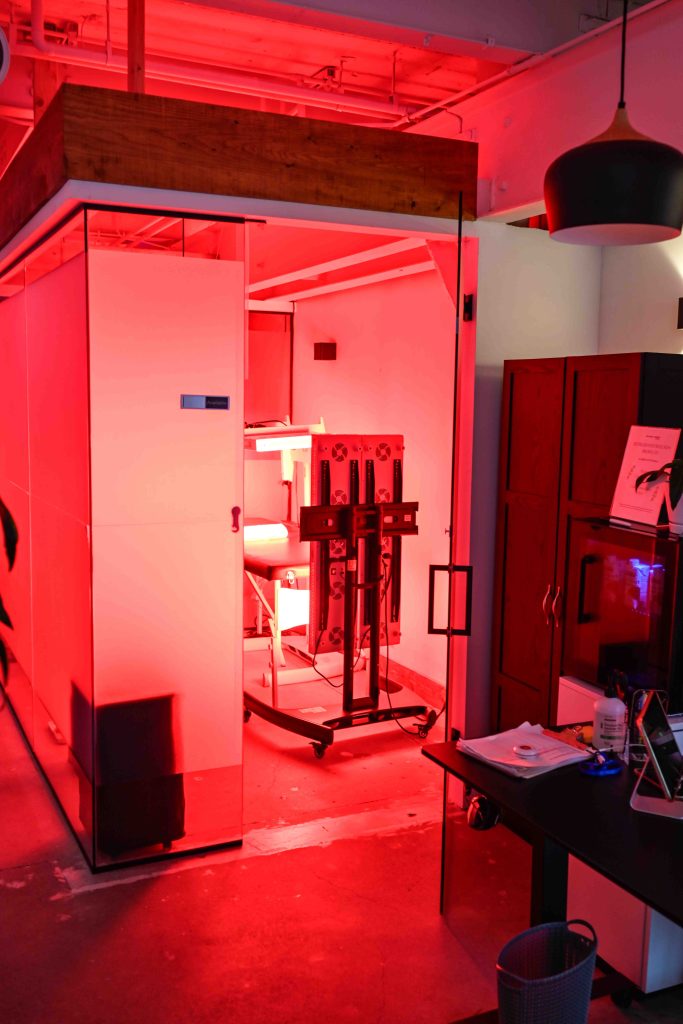
Whole body cryotherapy gets more attention than its evidence for joint specific relief really warrants. Some people report a temporary lift in pain and overall soreness after brief exposure in a chamber. That may be useful for recovery routines or generalized symptom relief. But if the question is a swollen right knee after tennis, direct local treatment is typically the more sensible and more efficient choice. It places the therapy where the problem is.
There is also a difference between brief, intense cold and moderate, sustained cooling. Aggressive cold can numb fast, but it may become uncomfortable before it becomes truly useful. Longer, gentler cooling often wins on adherence. People are simply more likely to complete it.
How to use cryotherapy without overdoing it
The basics are simple, though people often complicate them. For most joint pain, local cryotherapy works best in short sessions with a barrier between the cold source and skin. The goal is cooling, not frostbite, and not heroic tolerance.
A practical approach looks like this:
- Apply local cold for about 10 to 20 minutes, depending on the size of the joint and the intensity of the cold source.
- Use a thin towel or fabric barrier unless the product is specifically designed for direct skin contact and the instructions say it is safe.
- Reassess after the session. The joint should feel calmer, not painfully stiff, blotchy, or deeply uncomfortable.
- Repeat a few times through the day during an acute flare if it clearly helps, allowing the skin and tissue to rewarm between sessions.
- Pair the cold with sensible load management, not complete inactivity unless a clinician has advised otherwise.
That “reassess” step is where good decisions happen. If the shoulder feels better but your hand goes numb, the placement needs work. If the knee swells less but becomes so stiff that walking worsens, shorten the duration or reserve cold for later in the day. If relief lasts ten minutes and then symptoms rebound worse than before, cold may not be the right tool for that problem.
For athletes and active adults, I often suggest using cryotherapy after, not before, activity when joint pain is the issue. Numbing a joint before sport can mask warning signs and alter how the tissue feels under load. There are exceptions, but in general, post activity use is cleaner and safer.
Timing matters more than many people think
The same joint can need different things at different moments. A swollen ankle six hours after a sprain behaves differently from that same ankle three weeks later during strengthening. Early on, cryotherapy often helps with pain and swelling. Later, its role may shrink while exercise, proprioception, and graded loading become the main drivers of recovery.
For chronic conditions, timing also shapes the response. A person with knee arthritis may feel stiff on waking, comfortable midmorning, and inflamed after an evening walk. Heat in the morning and cryotherapy after the walk is a perfectly reasonable pattern. It is not contradictory. It reflects how symptoms evolve across the day.
After surgery, structured timing can be especially helpful. Many surgeons and physical therapists recommend regular cold sessions in the first days because post operative swelling can quickly become the limiting factor. Once the acute phase settles, the need often declines. Patients sometimes keep icing out of habit long after it stops making a noticeable difference.
When cryotherapy is the wrong choice
Cold has limits, and there are circumstances where it is a poor fit or needs medical clearance first. The biggest red flag is using cryotherapy to repeatedly suppress pain while missing a more serious problem. A locked knee, a shoulder that suddenly cannot lift after a fall, a hot swollen joint with fever, or severe pain with inability to bear weight deserves assessment, not just another ice pack.
Certain medical conditions also make cold less safe. People with significant circulation problems, cold hypersensitivity, cryoglobulinemia, some forms of peripheral neuropathy, or reduced sensation need caution. If you cannot feel the cold properly, you cannot reliably judge when enough is enough. Skin injury becomes easier.
These situations call for extra care or avoidance:
- Markedly impaired circulation or vascular disease
- Reduced sensation from neuropathy or nerve injury
- Cold induced skin reactions or known cold hypersensitivity
- Open wounds or fragile skin in the treatment area, unless specifically advised by a clinician
- Suspected serious injury or infection
There is also a subtler mistake, using cryotherapy as a substitute for evaluation when symptoms have persisted too long. If a shoulder still hurts every night after six weeks, or a knee keeps swelling after routine activity, it is time to ask why. Cold can make a stubborn problem more tolerable, but it cannot diagnose a meniscal tear, inflammatory condition, rotator cuff injury, or poorly managed training load.
What to expect, realistically
A good response to cryotherapy is usually modest but meaningful. Pain may drop a few points. Swelling may soften enough for the joint to bend more comfortably. The area may feel quieter for thirty minutes or a few hours. Those are worthwhile gains. They are also temporary.
That temporary quality does not make the treatment trivial. If a patient can complete rehabilitation exercises because pain is better controlled, progress improves. If a parent with knee pain can get through the evening routine without limping, quality of life improves. If a post operative patient can sleep an extra hour, recovery feels less punishing.
The problem begins when expectations drift into the unrealistic. Cryotherapy will not rebuild cartilage, erase instability, or restore shoulder mobility that has been lost over months. It can support those goals by making symptoms more manageable, but it is not the mechanism that delivers them.
The best results come from pairing relief with a plan
When cryotherapy works best, it sits alongside a few other smart decisions. The joint is not overloaded day after day. Strength and mobility are addressed where appropriate. Footwear, workstation setup, sport technique, or training volume are examined if they are feeding the problem. For arthritis, body weight, walking tolerance, and muscular support around the joint often matter more over time than any single passive treatment.
This is where experienced judgment matters. A runner with patellofemoral pain may benefit from cold after hard sessions, but the durable fix usually involves hip strength, pacing, and mileage control. A carpenter with shoulder pain may appreciate cryotherapy at the end of the day, but also needs changes in overhead work exposure and a better exercise program. A retiree with hand arthritis may use brief cooling during flares, while relying more heavily on pacing, splinting, and targeted hand therapy.
The pattern is consistent. Cryotherapy helps most when it reduces symptom noise enough for people to do the things that actually change their trajectory.
A measured place for cold in joint care
There is a reason cryotherapy has stayed relevant despite every new recovery trend. It is accessible, familiar, and often effective for the right kind of joint pain. Knees and ankles tend to respond especially well when swelling is part of the picture. Shoulders can benefit, though they require more precise application and better diagnosis. Smaller joints may improve during inflammatory flares, but comfort with cold varies more from person to person.
The strongest case for cryotherapy is simple. When a joint is irritated, warm, swollen, or freshly aggravated, cold can reduce pain and make movement easier for a while. That matters. It just matters most when it is used deliberately, not automatically.
If the treatment helps, keep it in the toolkit. Use it after flare provoking activity, after rehabilitation sessions if advised, or during short periods of increased inflammation. If it does not help, or if it only masks a worsening pattern, move on and look deeper. Joint pain usually responds best when symptom relief and problem solving happen together. Cryotherapy can contribute to that process, but it is at its best when it plays a supporting role rather than trying to carry the whole story.
SDBody Mission Hills
Address: 1747 Hancock St Ste C, San Diego, CA 92101
Phone number: +16197720252
FAQ About Cryotherapy
What does cryotherapy do for your body?
Cryotherapy exposes the body to extremely cold temperatures for a few minutes to trigger natural healing and recovery responses.
What are the negatives of cryotherapy?
The primary negatives of cryotherapy include skin burns, frostbite, temporary nerve irritation, and temporary spikes in blood pressure caused by extreme cold.
How much does cryotherapy typically cost?
A single session of non-medical cryotherapy typically costs between $40 and $100. However, prices vary significantly depending on the specific type of treatment, your location, and whether you purchase a membership or package.